
Podcast: Play in new window | Download
Subscribe: RSS
Guests: Steve Frothingham; Jeremy Siegel
 This episode of the podcast offers up a short discussion with Bicycle Retailer’s Editor-in-Chief, Steve Frothingham, about U.S. Customs and the seizing of containers from Taiwan manufacturer Giant.
Earlier this week, in a surprise move, US Customs officials seized containers from Giant, the world’s largest bike mfg, over unspecified forced labor accusations.
In an effort to find out exactly what that meant, besides holding up shipments  at the ports, I rang up Steve Frothingham, at BR&IN.
His explanation, which was as up to date as of a few hours before we talked, made quite a bit of what was happening clear, but also left me with a lot of questions that I’m hoping will get answered in the next day or so.
We also talk about tariffs – which unfortunately is becoming a daily topic.
Here are links to Steve’s articles on the upheld shipments.
 Then I have a very interesting conversation with PRX’s “The World” global Transportation Correspondent, Jeremy Siegel about how Helsinki made it to the top of the Vision Zero with NO traffic deaths for over a year!
I listen The World on WKSU, our local NPR affiliate. It’s an hour a day and there are always terrific stories from – well, around the world.
A couple of weeks ago, I was in the car and heard Jeremy Siegel, “The World’s” Global Transportation Correspondent say that Helsinki had reported ZERO traffic deaths for over a year.
Being a Vision Zero hopeful for the Cleveland area and never having heard of any major city, let alone a country’s capital, say that no automobile, cycling, or pedestrian fatalities had occurred seemed amazing.
I came home, re-listened to the piece on their website, and then contacted Jeremy.
Here is how they did it…
You can hear Jeremy on The World on your local NPR affiliate or log on to the world.org or find him @theworldnewswgbh on YouTube..
I hope you enjoyed the show today.
I will be uploading a new Substack piece to offer up some of my thoughts on both Steve and Jeremy’s conversations. Please consider subscribing to my Substack and help support my work.
Thank you for listening. Until next time, please stay safe, stay well, and remember, there is always time for a ride. Bye bye.

 sustaincharlotte.org. And, how about a scavenger hunt with other cyclists in October? You can help Sustain Charlotte to meet its $90K goal and take a spin around the city with
  My first guest is a photographer – but not just any photographer. She’s a cycling photographer who follows mostly women’s racing, often on the back of a motorcycle.
 Transportation Planner for the
  Scott Reigle has been the Senior Transportation Planner in Broome County where Binghamton, NY is located for over 30 years. When it comes to transportation – by any means – he knows the area inside and out.
 The editor graciously sent me Issues #1 & #2 and I was hooked, promptly subscribing to future issues.
 act. And when you are into editing and creating magazines, that’s what you do.
 Sometimes, the most difficult part of a conversation is getting the correct pronunciation of someone’s name. Such is the case with my second guest… ready? Kevin Schoenmakers. Took me a couple of tries, but I think I got it.
 controversial Democratic nominee,
 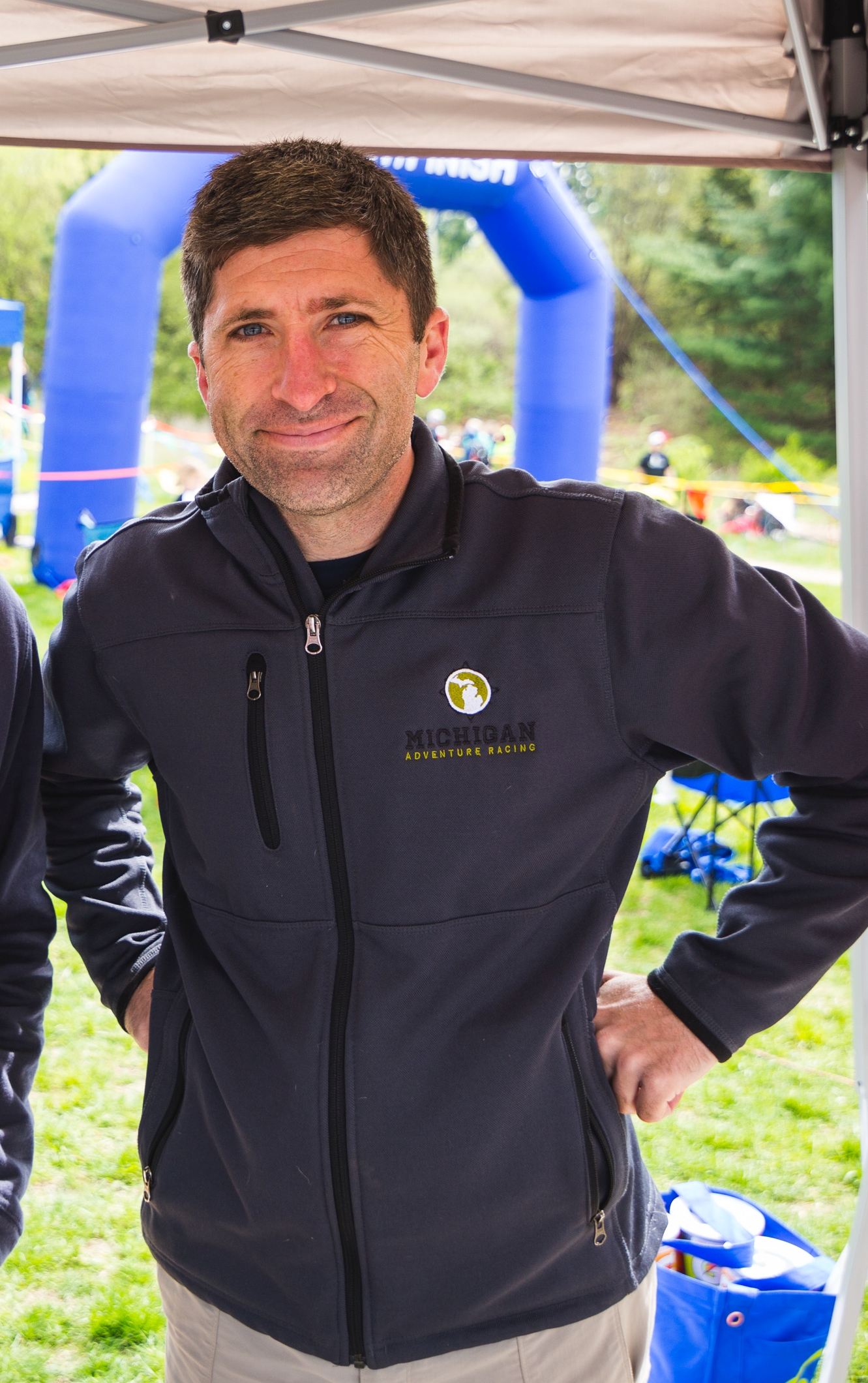 I’m not sure how I didn’t know about Michigan Adventure Racing. The organization seems so together, and Mark Van Tongeren, the founder and producer of these events seems to be the best kind of ride director.
 races for those who like to go wild,” to the clever event names,
 extraordinaire Paul Swift. In my conversation with him back in February, he mentioned the work that Jim is doing and the fact that Jim will be the keynote speaker at a professional fit symposium at the Tour de France next month. I thought I’d nab him first.
 My guest is not new to the show, and he is certainly not new to U.S. cycling or to the custom bike business.
 years – frame builder, painter, and currently carbon repair whiz.
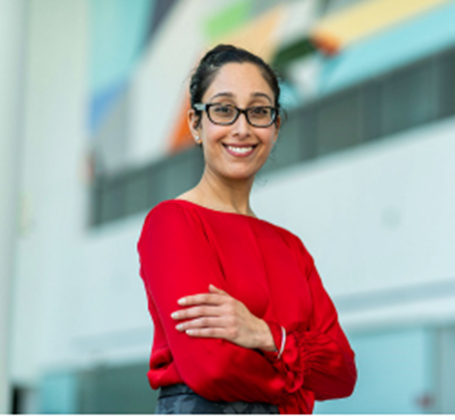 My guest today is Dr. Tamanna Singh. She is a sports cardiologist at the Cleveland Clinic and, in her words, an “advocate for athletes.”
 You don’t have to ride a Trek and the
  It isn’t always my great good fortune to be able speak with one of the iconic American pro riders who is still “in the bike world,” but today is one of those days.
 Rabobank team in 2002. Over the next few years, he didn’t fulfill his Tour de France team just once, he fulfilled it 10 times, completing the event 8. (Unfortunately, he crashed out of two of them!)
 She really wanted to wear skirts and get her nails done, but