
Podcast: Play in new window | Download
Subscribe: RSS
Guests: Gabe Klein; Lucas Snaije
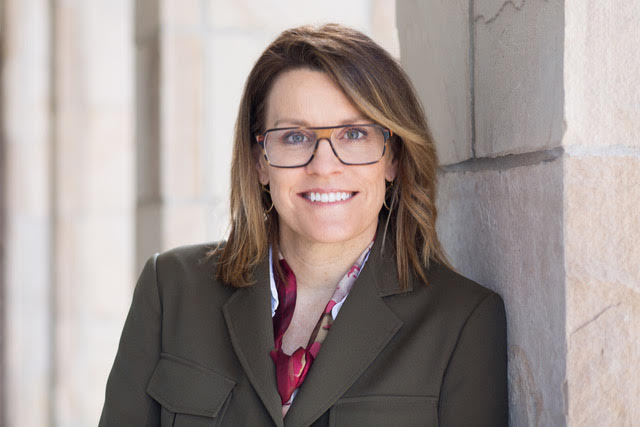 First, I’d like to congratulate my friend Jenn Dice. She recently took over the helm of People for Bikes as Tim Blumenthal retired after 16 years! Jenn, who was the COO is now President and CEO and hit the ground running and draws on her many years not only at PFB but as the fearless leader of IMBA before that. Nice to see another woman at the helm of a big bicycle organization!
Our show this week comes to you from Washington, DC and Amsterdam, Holland.
Gabe Klein, is a partner at Cityfi, an organization that facilitates and helps create positive, 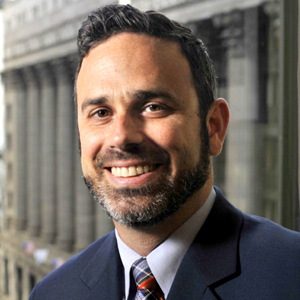 sustainable change for people and the economy – fast He is also the former commissioner of the Chicago and Washington DC departments of transportation.
Cognizant of so much of what is happening – from the effects of shutting down in the pandemic to what he thought the future would be in 2030 – much of what has suddenly transpired because of the pandemic – Gabe has thoughtful, interesting, and actionable ideas for all of us.
After our conversation with Gabe, we head to Amsterdam to speak with Lucas Snaije.  Lucas is the communications and community manager for BYCS an Amsterdam-based social enterprise driven by the belief that bicycles transform cities and cities transform the world.
Last week, when we spoke with Matt Pinder up in Toronto, he mentioned the Bicycle Mayor program from BYCS and me, wanting to know more, contacted them.
Lucas and I dive into that program along with some of the other work the organization does.
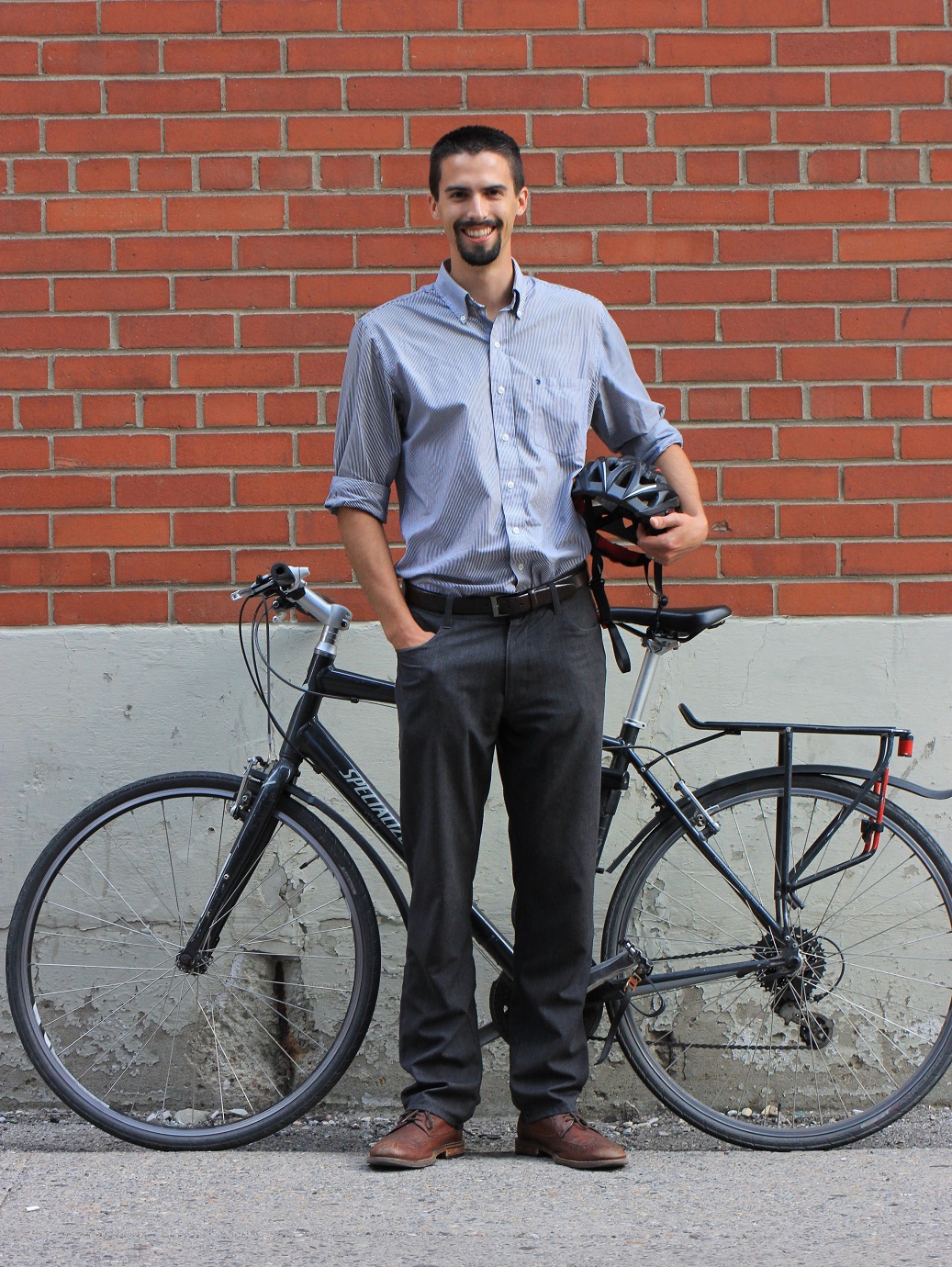 Back in May, we spoke with Matt Pinder up in Toronto. He’s the guy who writes the
  virtual meeting of the East Coast Greenway advisory board. Larry lives in Philadelphia but he’s from Cleveland. I’m from Philadelphia and I live in Cleveland. Coincidence? I think not! But, that’s not important anyway. He’s the Chairman of the ECG Board and has a long history of bicycling, environmental causes, and he’s a practicing attorney.
 Finally, we head to Colorado to chat with Lucy Diaz. She’s the CEO of RPM Events which run the Colorado Classic. With heavy heart, she pulled the plug on the event this year; but, in an incredibly magnanimous gesture, she’s made the Covid 19 Mitigation Plan, which covers A-Z when it comes to being able to run a live event in the “time of Covid.” available to anyone who might want to read it, study it, take the enormous amount of work that went into it, and make it their own.

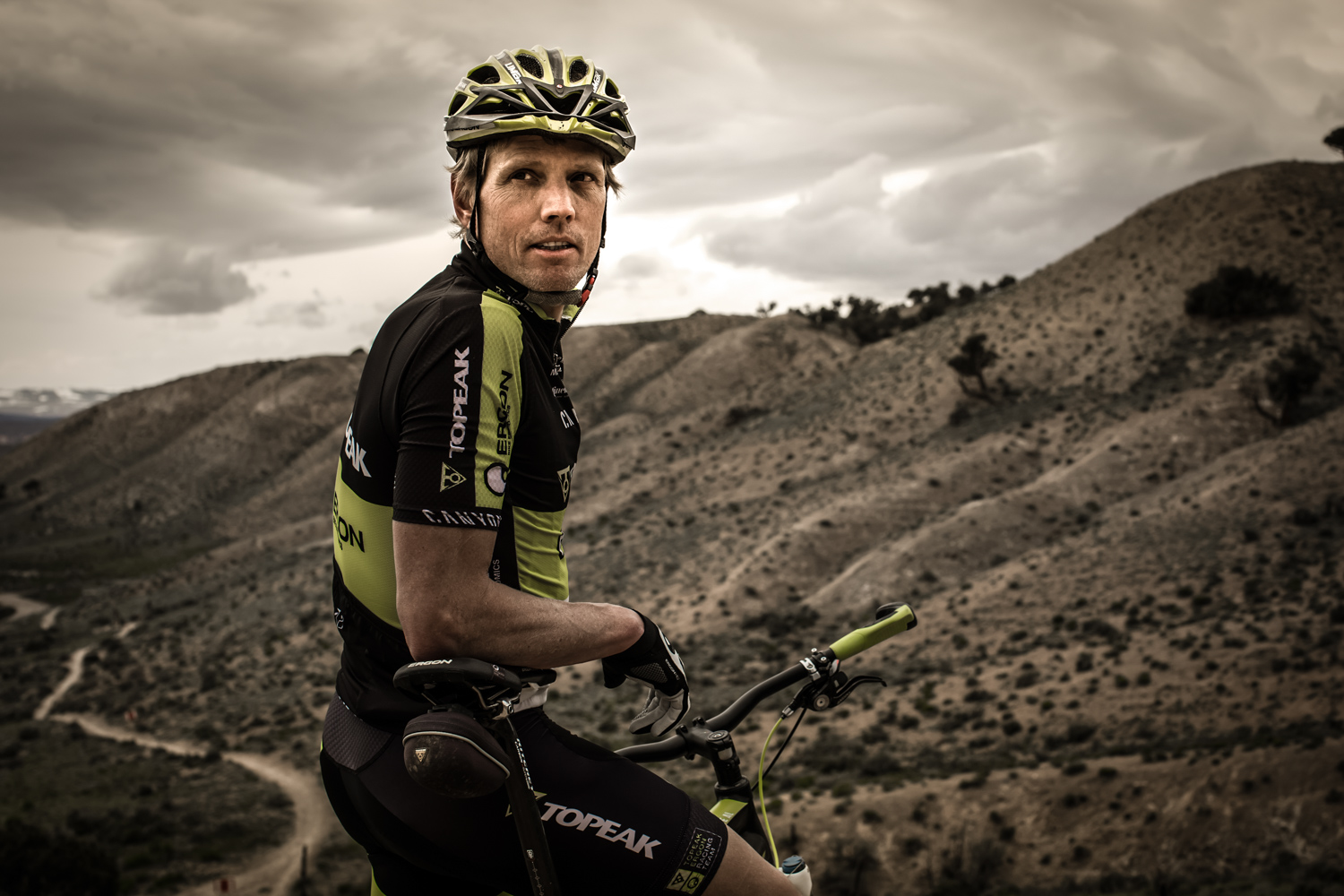 You know, it’s not too often that we talk about mountain bikes, mountain biking, or even speak with a mountain bike legend.
 Today, I add two more voices to the conversation as we delve into the
 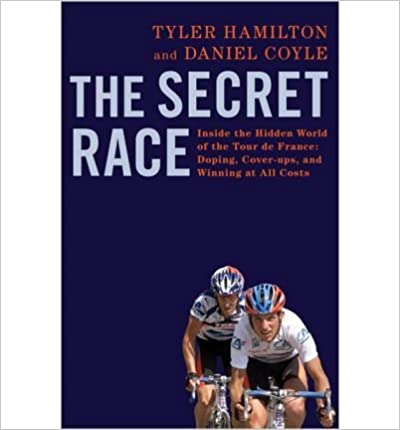 If you haven’t read it, Tyler, along with author Dan Coyle, wrote The Secret Race, a GREAT book that delves deeply into that era of cycling that brought down riders like Tyler, Lance, and more. I highly recommend it.
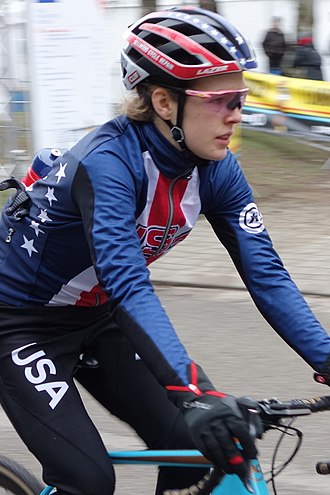 First, and as promised a couple of weeks ago, is my conversation with our National Cyclocross Champion,
 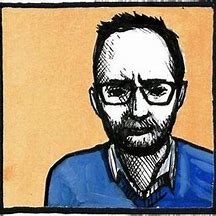 journalist from the Wall Street Journal, talks with me about his June 17th article titled NYC Proposal Would Vastly Expand Protected Bike Lanes.” But, it was his twitter comment that grabbed my attention when he wrote “Will the new mayor have the will to confront all of the opposition this will en¬counter?”
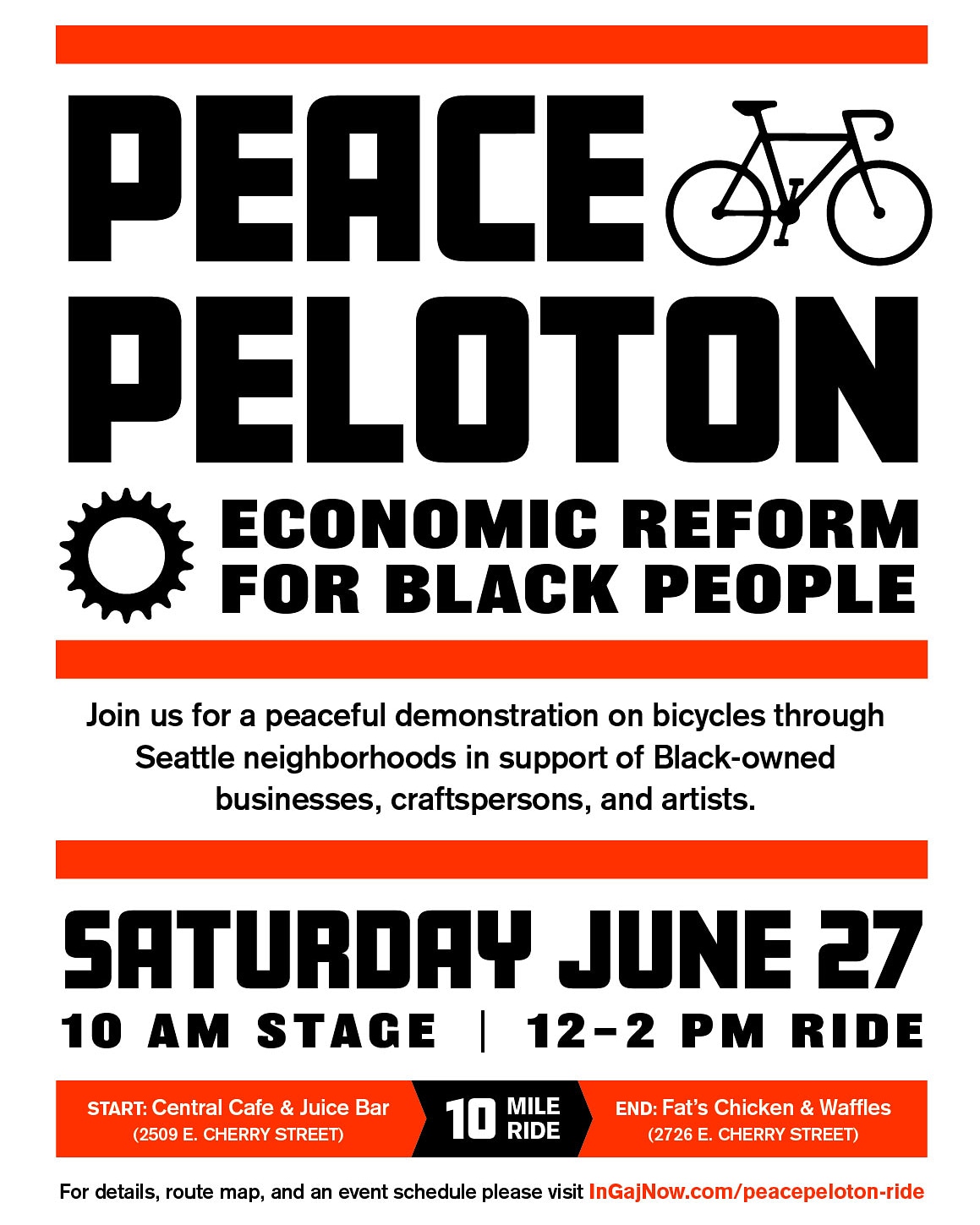 Lastly, in the midst of all the demonstrations, conversations about social injustice, and with lines being drawn in the sand about Black Lives Matter, Police Restructuring, Economic and health impacts on POC, we meet Reginald “Doc” Wilson.
 Peter Wilborn, who is the founder of
  Then, I speak with